Game Sequence Patterns in Portable Formats Shape Recognition Tier Progression Without Deposit Reliance
Jonas Keller · Aug 28, 2026
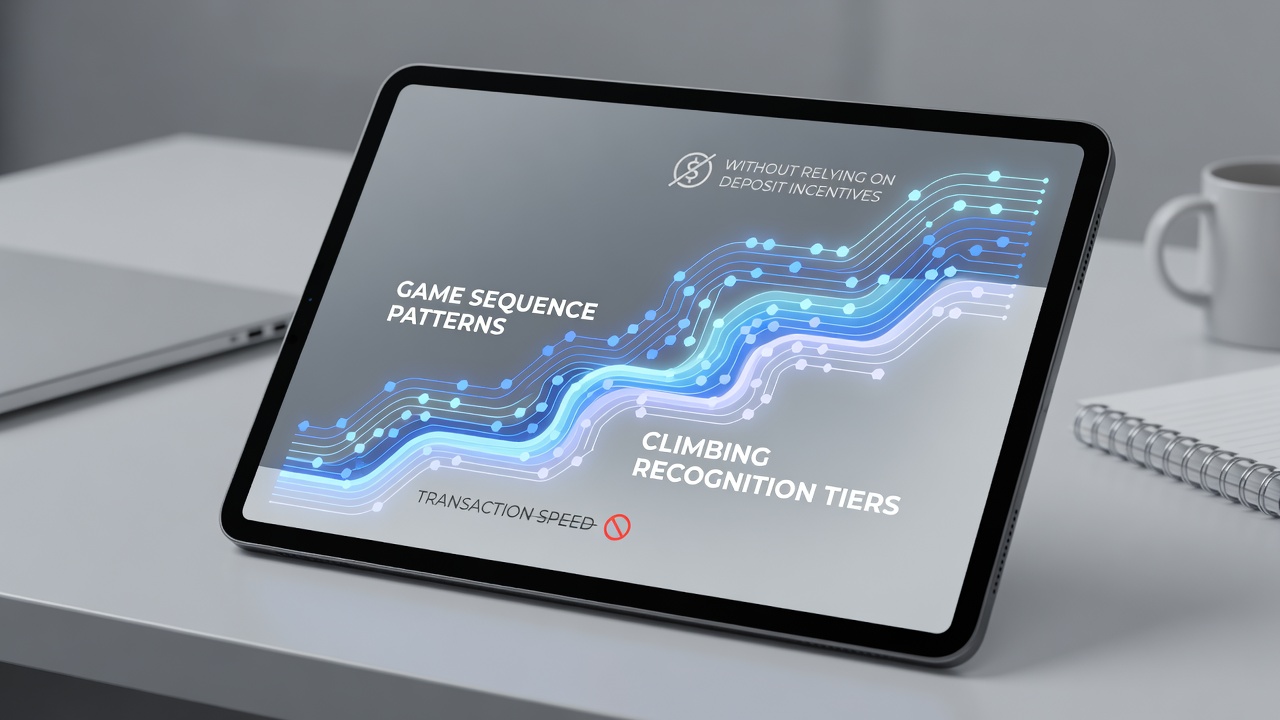
Game Sequence Patterns in Portable Formats Shape Recognition Tier Progression Without Deposit Reliance
Portable casino applications have shifted attention toward structured game sequences that allow participants to accumulate recognition points through consistent play patterns rather than funding activity, and observers note that these sequences often combine short sessions of reel games with targeted transitions into interactive table formats to build momentum toward higher tiers.
Data from mobile platforms indicates that alternating between specific slot titles and live dealer sessions creates measurable gains in loyalty metrics because each game type contributes distinct point multipliers based on session length and outcome frequency, while those patterns avoid the need for external deposits to maintain progress.
Sequence Structures in Handheld Environments
Researchers tracking player behavior across app-based systems have identified recurring sequences such as beginning with low-volatility reel spins followed immediately by live roulette rounds that sustain engagement levels and accelerate point accumulation, and this approach proves effective in portable formats where session continuity matters more than isolated game selections.
Studies show that completing three consecutive reel rounds before switching to a dealer-hosted table game often results in faster tier advancement compared with random play orders, since the combination satisfies both volume-based and variety-based criteria embedded in most recognition programs.
Portable Format Constraints and Sequence Adaptations
Screen size limitations and touch interface dynamics influence how sequences unfold on handheld devices, yet data reveals that players who maintain a repeating cycle of two slot types interspersed with one live dealer segment reach mid-tier status in fewer total sessions than those relying on single-game repetition.
August 2026 reports from the Nevada Gaming Control Board highlighted increased mobile session data showing that structured sequences correlate with quicker loyalty milestone completions across multiple operators, particularly when participants follow predetermined game orders rather than spontaneous choices.

Point Accumulation Through Pattern Repetition
Recognition programs assign tier points according to game category and duration, which means that deliberate sequencing allows participants to optimize the ratio of points earned per minute spent, and analysts have observed that mobile users who repeat a five-game loop comprising three slots and two table interactions achieve higher daily point totals without additional funding requirements.
Evidence from industry tracking services demonstrates that sequences incorporating progressive jackpot slots at the start of each cycle followed by blackjack or baccarat sessions produce steady advancement because the volatility profile balances frequent small wins with occasional larger contributions that count toward tier thresholds.
Comparative Outcomes Across Different Patterns
One analysis of app usage patterns found that linear sequences moving from simple to complex games yielded 18 percent faster tier climbs than erratic switching, while another examination of portable data sets indicated that incorporating brief pauses between game types further enhanced point retention by reducing session abandonment rates.
Those studying these dynamics point to the New Jersey Division of Gaming Enforcement monthly summaries as sources confirming that mobile recognition progression depends heavily on sequence consistency rather than transaction volume, and similar patterns appear in reports covering other regulated markets.
Academic examinations of player retention in digital gaming environments, including work referenced by the Australian Gambling Research Centre, have documented how predictable game orders reduce the time required to meet elite status benchmarks when deposit incentives remain unavailable.
Implementation Across Major Mobile Platforms
Operators have begun embedding sequence suggestions within app interfaces to guide users toward efficient patterns, and these features display recommended game transitions that align with existing loyalty algorithms without requiring financial deposits to unlock the associated benefits.
Participants following these guided sequences report completing tier requirements through accumulated play hours alone, and platform analytics confirm that such structured approaches increase overall session frequency while maintaining compliance with regulatory standards across jurisdictions.
Conclusion
Game sequence patterns in portable casino formats directly affect the pace at which individuals advance through recognition tiers when deposit incentives are not utilized, and continued examination of these patterns provides clearer insight into how mobile environments support loyalty progression through structured play alone.