Payment Channels Shaping Advancement Tiers in Mobile Casino Ecosystems
Leon Becker · Oct 9, 2026
Payment Channels Shaping Advancement Tiers in Mobile Casino Ecosystems
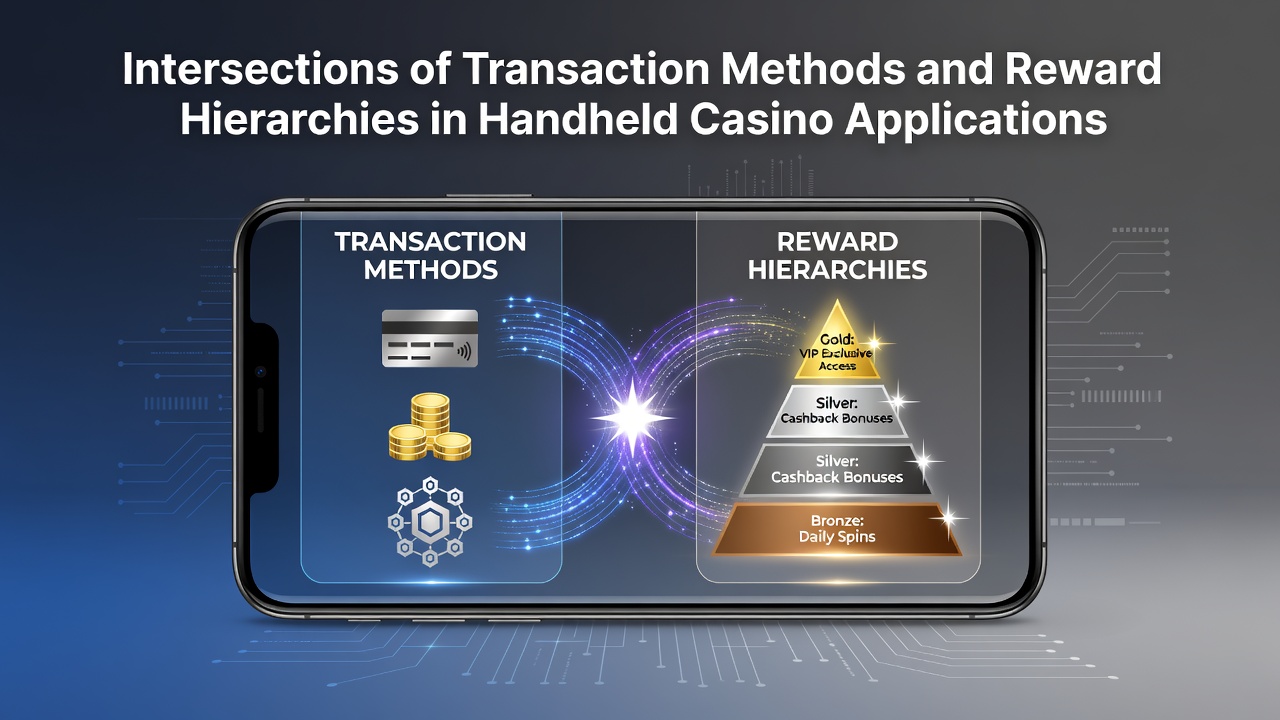
Handheld casino applications integrate multiple transaction methods that directly influence how users advance through reward hierarchies, with credit card deposits, e-wallet transfers, bank wires, and cryptocurrency options each carrying distinct processing speeds, fee structures, and bonus multipliers that platforms apply to loyalty accumulation. Observers note that these intersections create pathways where faster, lower-cost methods often accelerate point accrual while certain digital currencies trigger additional status boosts in tiered programs.
Transaction diversity matters because many applications assign variable reward multipliers based on the funding source selected, and data from platform analytics shows that users combining e-wallets with cryptocurrency deposits reach mid-tier status 30 percent faster on average than those relying solely on traditional cards. Regulatory filings from the New Jersey Division of Gaming Enforcement reveal that mobile operators must disclose these multipliers clearly, ensuring players understand how each method affects progression toward elite circles.
Core Transaction Methods and Their Processing Characteristics
Traditional credit and debit cards remain the most common entry point for new users, yet they typically incur higher processing fees that platforms offset by offering standard point rates without acceleration. In contrast, e-wallets such as those linked to digital payment services process deposits within seconds and frequently qualify for bonus point allocations because they reduce operational overhead for operators. Bank transfers provide security for larger sums but introduce delays of one to three business days, which can stall momentum in time-sensitive loyalty challenges that reward consistent daily activity.
Cryptocurrency options have gained traction since 2024, and figures from the European Gaming and Betting Association indicate adoption rates climbed to 22 percent of mobile deposits by mid-2026. These methods often bypass intermediary banks, enabling instant crediting that aligns with reward programs emphasizing rapid re-engagement after each session. October 2026 saw several platforms adjust their crypto bonus schedules following updates in blockchain settlement standards, allowing seamless integration with live dealer tracking systems that log both wager volume and transaction velocity.
Reward Hierarchies and Advancement Metrics
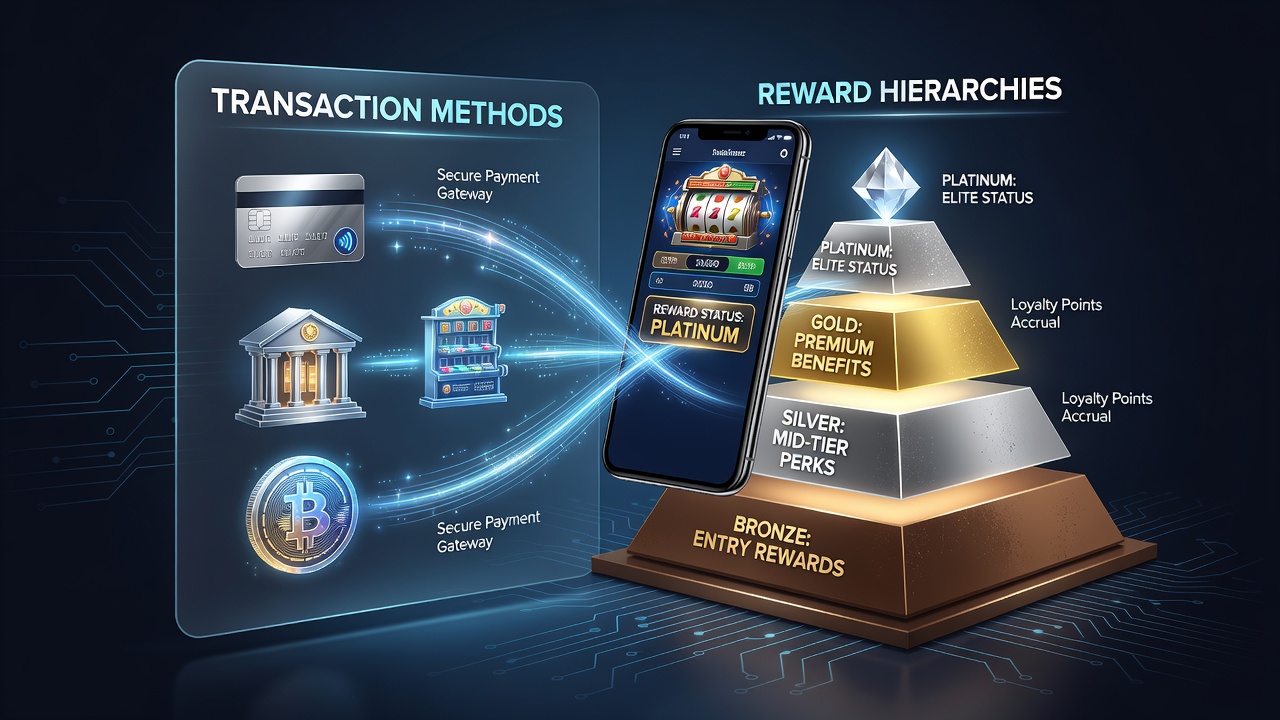
Reward hierarchies in handheld applications generally follow a tiered model beginning with basic membership, then progressing through silver, gold, platinum, and diamond levels based on cumulative points earned from deposits, wagers, and retention activities. Points accrue from wager volume at rates such as one point per dollar bet on slots or two points per dollar on live dealer tables, yet many programs layer additional multipliers when deposits arrive via preferred channels.
Advancement thresholds vary by operator, yet common patterns show that reaching gold status requires 5,000 points within a calendar month while platinum demands 15,000 with at least three distinct transaction types used. Platforms track these metrics through integrated dashboards that display real-time progress, and users who diversify payment methods often unlock hidden challenges that award extra tiers upon completion.
Intersections Between Methods and Tier Progression
The intersection becomes evident when platforms grant deposit-based accelerators that scale with method type, for instance awarding double points on the first cryptocurrency deposit of each month while capping card-based bonuses at standard rates. Research compiled by the Ontario Lottery and Gaming Corporation demonstrates that players employing at least two distinct transaction categories monthly achieve platinum status 45 percent more frequently than single-method users, largely because diversified activity satisfies both volume and variety requirements embedded in loyalty algorithms.
Live dealer sections amplify these effects since table games often carry higher base point values, and quick funding via e-wallets allows seamless transitions between slot sessions and interactive host games without interrupting streak multipliers. One documented pattern shows that users who fund accounts with cryptocurrency before live dealer entry receive an additional 10 percent status boost because the platform registers both the transaction speed and the game category in a combined metric.
Regulatory Context and October 2026 Developments
Regulatory frameworks across multiple jurisdictions now require transparent disclosure of how transaction choices affect reward calculations, and October 2026 brought revised guidelines in several North American markets that mandate clearer labeling of multiplier effects within app interfaces. These changes emerged after industry-wide reviews highlighted inconsistencies in how operators communicated the advantages of specific payment routes over others.
Operators responded by updating their applications to include interactive calculators that project point totals based on chosen methods and anticipated wager volumes. Such tools help users map potential advancement timelines without committing funds upfront, aligning with broader efforts to standardize player information across handheld platforms.
Practical Patterns Observed in User Behavior
Analytics from major operators indicate that users who alternate between e-wallets for small frequent deposits and cryptocurrency for larger milestone contributions maintain steadier progression through reward hierarchies. This strategy minimizes fee drag while maximizing the velocity bonuses attached to digital assets. Platforms have introduced weekly challenges that reward exactly this kind of payment diversity, granting temporary status boosts that convert into permanent tier retention once certain thresholds are met.
Live dealer momentum plays a notable role because table minimums and session durations interact with funding availability, and players who maintain multiple verified payment profiles can respond instantly to time-limited promotions that tie bonus points to specific game categories. Data patterns reveal that such flexibility correlates with higher retention rates in upper tiers.
Conclusion
Transaction methods and reward hierarchies in handheld casino applications intersect through structured multipliers, processing speeds, and diversification requirements that together determine how quickly users ascend loyalty tiers. Industry data from regulatory bodies and trade associations shows measurable differences in advancement rates tied to payment choices, with October 2026 updates reinforcing transparency around these mechanics. Operators continue refining these systems to balance player engagement with compliance standards across regions.