Regional Variations in Payment Methods Drive Distinct Loyalty Outcomes for Digital Casino Users
Rosa Schmid · Oct 23, 2026
Regional Variations in Payment Methods Drive Distinct Loyalty Outcomes for Digital Casino Users
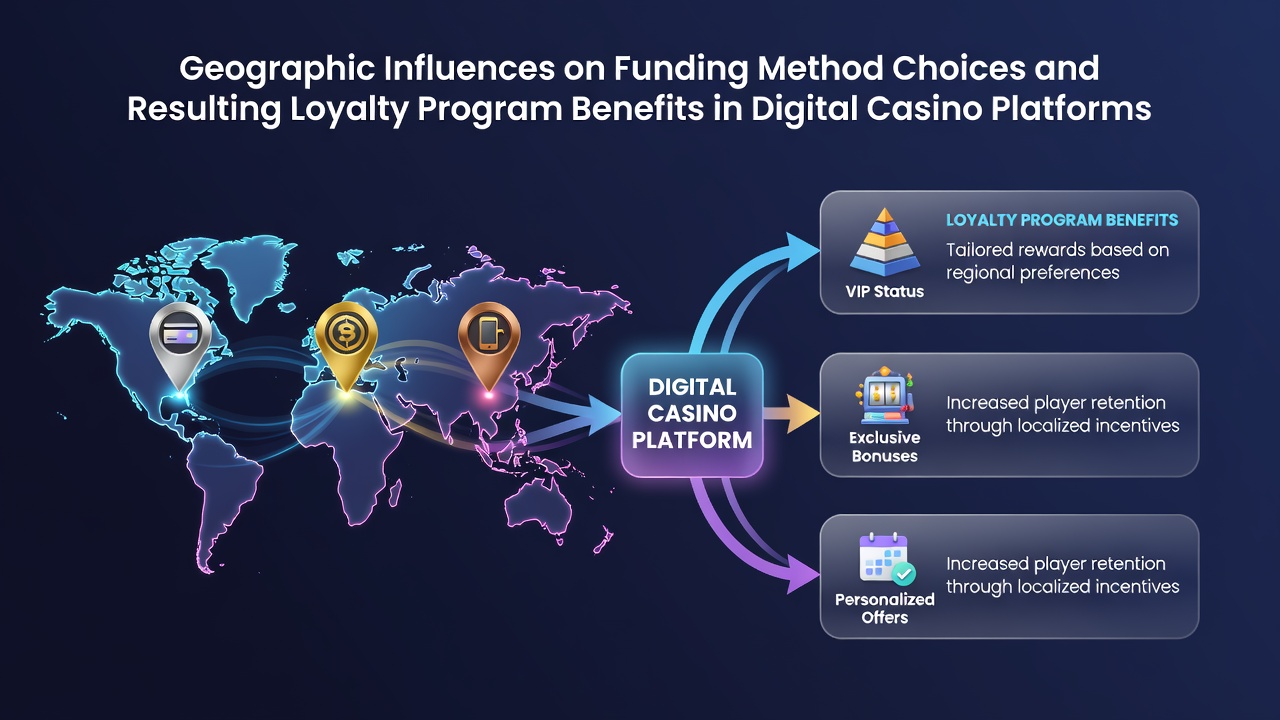
Geographic location continues to shape which funding methods players select on digital casino platforms, and those choices directly influence access to loyalty program benefits. Regulations in North America often favor credit cards and bank transfers while parts of Asia and Europe see higher adoption of e-wallets and cryptocurrency options, creating different pathways into reward structures. Observers note that these regional patterns have remained consistent through October 2026 as platforms adapt interfaces and bonus triggers to local payment habits.
Payment Preferences Across Major Markets
Data from industry reports shows credit card usage dominates in the United States and Canada because state and provincial rules limit many alternative processors, yet this method frequently carries higher transaction fees that reduce the net value players can direct toward loyalty points. In contrast, players in Australia and several European countries rely more on instant bank transfers and digital wallets, which platforms reward with faster point accrual and lower minimum deposit thresholds for tier advancement.
Asian markets demonstrate another pattern where cryptocurrency and prepaid vouchers appear more frequently, and operators there tie these methods to accelerated loyalty multipliers during promotional windows. One study from a regional gaming research group found that users who fund accounts via crypto in regulated markets accumulate status points at rates 15 to 25 percent higher than those using traditional cards, largely because platforms reduce processing costs and pass savings into bonus structures.
How Funding Choices Translate Into Loyalty Advantages
Loyalty programs on digital platforms calculate progress based on deposit volume, frequency, and sometimes payment type, so geographic restrictions on available methods create uneven playing fields. Players in jurisdictions with fewer options often need larger total deposits to reach the same tier thresholds that users in crypto-friendly regions achieve with smaller, more frequent transactions. This dynamic becomes visible when comparing progress timelines across markets.
Platforms respond by adjusting reward formulas regionally, for instance granting extra points for bank-transfer deposits in markets where cards face restrictions. Researchers tracking these adjustments through 2026 observed that such targeted incentives help maintain engagement levels despite regulatory differences, and they also encourage players to explore multiple funding routes when cross-border access becomes available.
Regulatory and Platform Adaptations
Regulatory bodies such as the Nevada Gaming Control Board and the Australian Communications and Media Authority publish guidelines that indirectly steer payment adoption, and operators incorporate these rules into loyalty program design. When a region imposes stricter verification on card transactions, platforms often introduce alternative deposit bonuses that offset slower point accumulation for affected users. These adaptations keep participation rates stable while aligning with local compliance requirements.
Industry associations including the European Gaming and Betting Association have documented how payment diversity correlates with retention metrics, noting that markets supporting three or more funding categories show higher average loyalty tier retention after six months. Platforms use this information to prioritize certain methods in marketing campaigns aimed at specific geographic segments.
Case Examples From Different Regions
Take one platform operating across multiple jurisdictions where North American users predominantly rely on cards and reach mid-tier status after roughly four months of regular deposits, while users in Southeast Asia using digital wallets and crypto reach equivalent status in under three months on average. The difference stems from both payment speed and the bonus multipliers platforms attach to those methods in each market.
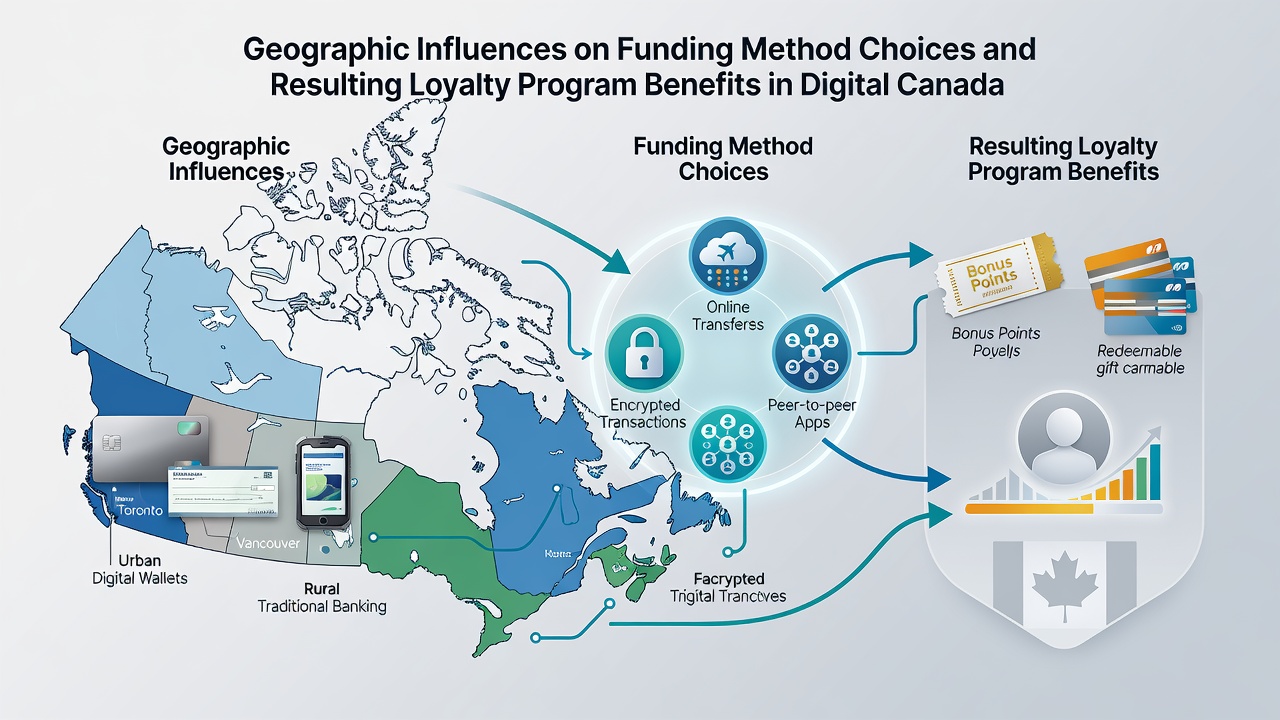
Another example involves Canadian provincial operators that introduced localized e-wallet partnerships in early 2026, resulting in measurable upticks in loyalty program enrollment among players who previously avoided card-based deposits due to processing delays. Figures from these programs indicate a 12 percent rise in tier upgrades within the first quarter after the change.
Conclusion
Geographic influences on funding method choices continue to produce measurable differences in loyalty program benefits across digital casino platforms. Regional regulations, preferred payment types, and operator responses combine to create distinct progression rates that players encounter depending on location. As platforms refine these systems through late 2026, the connection between payment selection adn reward outcomes remains a central factor in how users advance through recognition tiers.