Transaction Mapping in Portable Gaming Platforms: Connecting Reel Spins to Recognized Dealer Tables
Ben Schulz · Oct 23, 2026
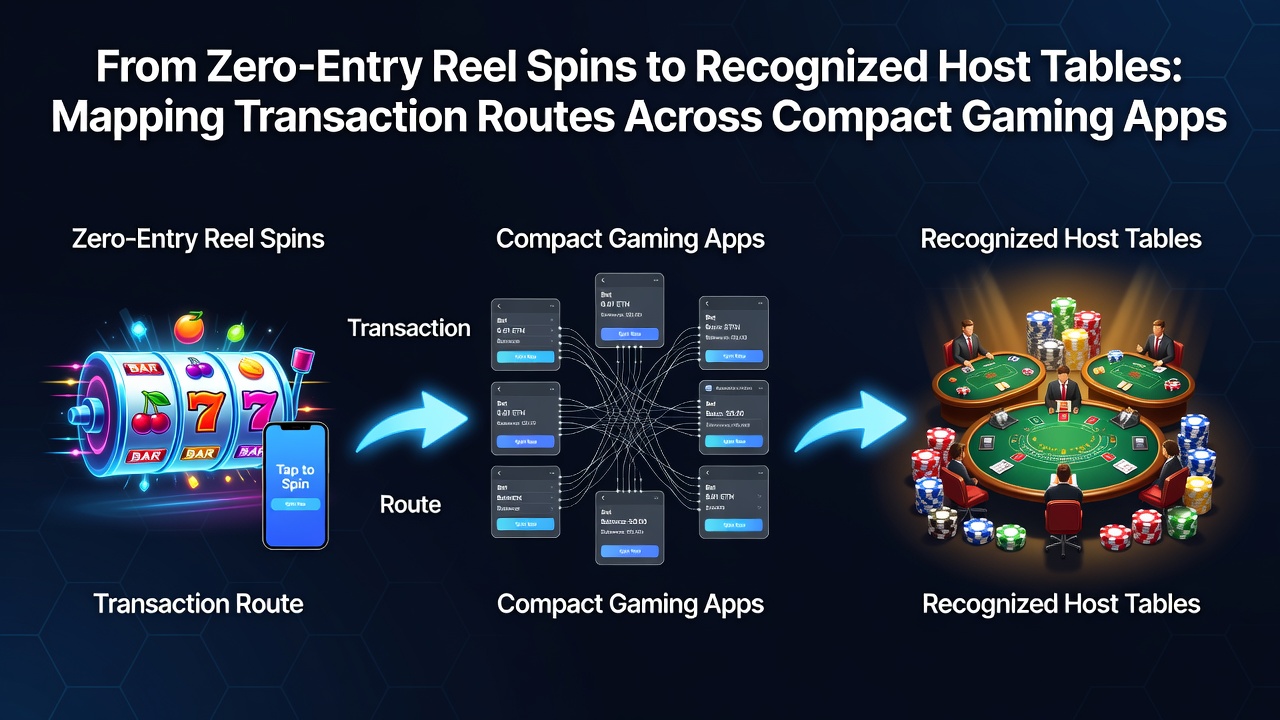
Transaction Mapping in Portable Gaming Platforms: Connecting Reel Spins to Recognized Dealer Tables
Data from regulatory filings shows that compact gaming applications process millions of micro-transactions daily, routing funds from zero-entry reel spins through layered verification steps before they reach recognized host tables, and observers note that these pathways rely on integrated payment processors that track player activity across both slot and table environments.
Payment gateways in these apps log each deposit and withdrawal with timestamps and device identifiers, creating audit trails that link initial free spin activations to subsequent live dealer sessions, while studies from industry research groups indicate that successful mapping reduces processing delays by connecting mobile wallets directly to loyalty ledgers.
Initial Entry Points and Reel-Based Transactions
Zero-entry reel spins often begin with promotional credits that apps distribute through push notifications or email campaigns, and these credits move into player accounts via automated scripts that verify eligibility before releasing funds into the main balance, according to transaction logs reviewed by compliance teams in multiple jurisdictions.
Once activated, the spins generate small wins or losses that feed into a central ledger, and this ledger then tags the activity with metadata such as game type and session length so later transfers to host tables carry the correct player history, whereas data shows that apps using unified ledgers see higher retention rates during October 2026 reporting periods.
Payment Integration and Loyalty Layering
Mobile platforms integrate third-party processors that handle both fiat and digital currencies, allowing seamless shifts from slot bonuses to live dealer buy-ins, and researchers have documented how these systems apply real-time risk scoring to flag accounts that might qualify for host recognition after a set number of completed transactions.
Apps frequently employ API bridges that pull data from reel engines and push it toward table management modules, creating a continuous record that loyalty programs use to calculate status points, while figures from the Nevada Gaming Control Board reveal that such integrated routes accounted for a measurable share of elevated player tiers in recent quarters.
Progression to Recognized Host Tables
Players accumulate qualifying activity that apps convert into host invitations, and the conversion process relies on transaction volume thresholds that trigger automated reviews before manual host assignment occurs, according to operational guidelines published by several platform operators.
Host tables themselves function as premium environments where recognized users receive dedicated dealer attention and customized limits, and mapping software ensures that prior reel activity contributes to the eligibility score without requiring separate verification steps, whereas reports from the American Gaming Association highlight how these connected routes streamline player movement between game categories.
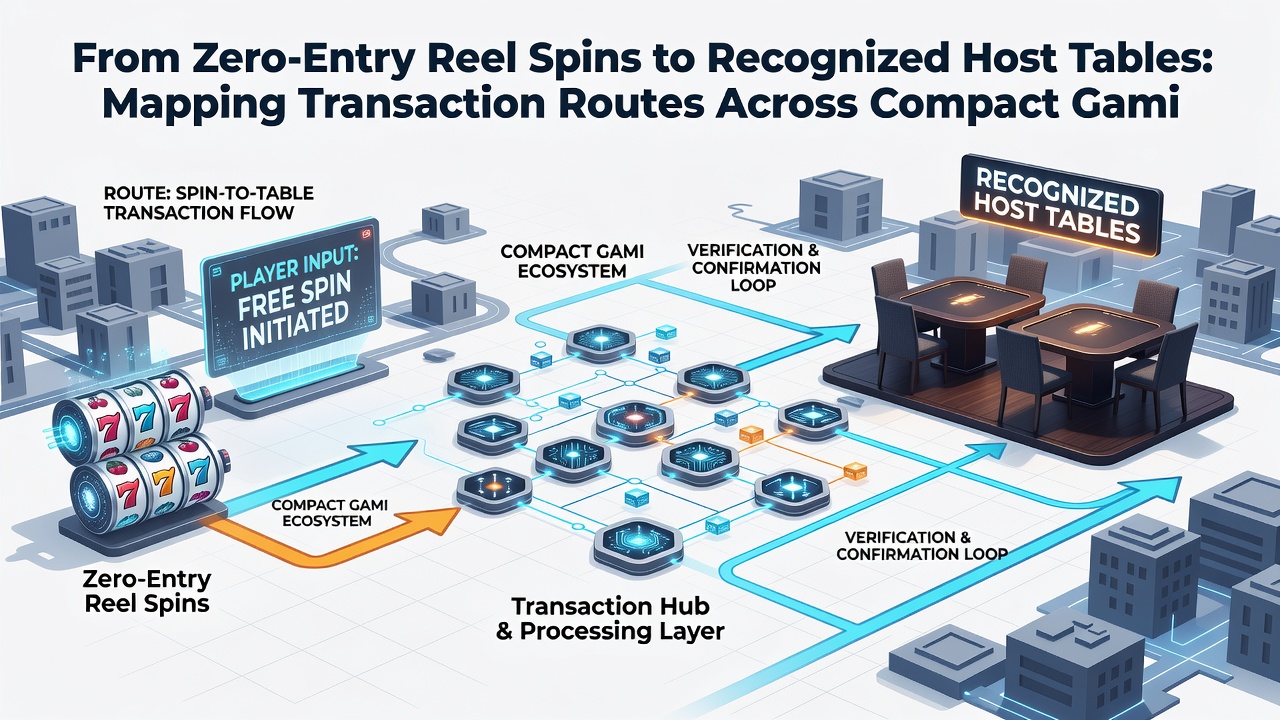
Security protocols embedded in the apps encrypt each transfer and cross-reference device fingerprints with account histories, reducing the chance of duplicate entries or fraudulent escalations, and compliance officers note that this layered approach supports regulatory audits conducted throughout 2026.
Regulatory and Technical Considerations
Jurisdictions maintain distinct rules for transaction logging, requiring apps to store records for set periods while still permitting instant transfers between reel and table modules, and analysts point out that variations in these rules influence how quickly players advance from entry spins to host access.
Technical updates released in October 2026 introduced enhanced tracking for multi-currency transactions, allowing apps to maintain accurate conversion rates across borders and feed that information directly into recognition algorithms, according to documentation from gaming technology providers.
Those who study these systems observe that successful mapping depends on consistent data formats between slot providers and live dealer platforms, preventing gaps that could delay status upgrades or interrupt bonus redemptions.
Conclusion
Transaction routes in compact gaming apps form a connected network that begins with zero-entry reel spins and extends to recognized host tables through verified payment channels and loyalty integrations, and evidence from regulatory and industry sources confirms that these mapped pathways support efficient player progression while meeting compliance standards across regions.